

The decision by the People’s Republic of China to exempt Argentine citizens holding ordinary passports from visa requirements represents a strategic maneuver that transcends mere tourism facilitation. This policy, which came into effect on June 1, 2025, is part of a coordinated effort by Beijing to strengthen ties with Latin America, optimize capital flows, and reduce operational friction in one of its most critical bilateral relationships in the Southern Cone.
The visa exemption allows Argentines to enter China for stays of no more than 30 days without requiring prior consular documentation. The policy is defined as an initial pilot program, valid until May 31, 2026. The spectrum of authorized purposes is broad and encompasses not only tourism and family visits but, crucially, business travel, cultural exchange, and transit.
Beijing’s official motivation, according to Chinese Foreign Ministry spokesperson Lin Jian, is to “further facilitate people-to-people exchanges and foster friendly cooperation,” aligning with China’s strategy to promote international tourism and strengthen ties with Latin America. This initiative forms part of a broader opening policy, extended to 43 countries globally, including other key Mercosur and South Pacific members such as Brazil, Chile, Peru, and Uruguay.
The visa exemption for Argentina should not be interpreted solely as a minor immigration concession. On the contrary, it is a calculated strategic move by Beijing to reduce operational friction and the bureaucratic “time tax,” facilitating the optimization of capital flows and foreign direct investment (FDI) within the framework of the Belt and Road Initiative (BRI). This administrative adjustment has direct implications for supply chain governance and the acceleration of negotiation cycles that are fundamental to Argentina’s growing trade dependence.
Elimination of Bureaucratic Friction
The significance of this measure is revealed when comparing the previous travel regime with current flexibility, demonstrating how the elimination of documentary requirements reduces opportunity costs and accelerates business decision-making.
Before June 2025, the standard regime for Argentine business travel was the M Visa application, a fundamental permit for entrepreneurs seeking to expand operations in the Chinese market. The M Visa was valid for periods of 30, 60, or 90 days but required a series of bureaucratic requirements that were onerous in terms of time and management, including the mandatory presentation of a formal invitation letter issued by a Chinese company and the management of consular processes that could extend for days or weeks.
This previous process imposed a significant hidden cost: waiting time and document coordination acted as a barrier that made urgent business trips or rapid response to market opportunities unfeasible. The ease of obtaining a visa is a critical factor for the mobility of executives, engineers, and specialists who need to close deals, conduct technical inspections, or participate in key trade fairs. The exemption transforms this landscape, allowing processing time to be reduced from days or weeks to being practically immediate upon arrival at the port of entry, as long as the stay does not exceed 30 days.
The following table summarizes the operational facilitation:
Table I: Business Travel Facilitation to China for Argentine Citizens (Pre- and Post-June 2025)
| Aspect | Previous Regime (M Visa) | Current Regime (Pilot Exemption) | Key Benefit |
| Main Requirement | Consular application, formal invitation letter, detailed financial documentation | Valid ordinary passport with minimum validity | Elimination of documentary bureaucracy and third-party requirements |
| Maximum Stay Duration | 30, 60, or 90 days (depending on consular issuance) | 30 days | Sufficient for most executive visits, inspections, and trade fairs |
| Processing Time | Days or weeks (subject to consular times and document submission) | Immediate (upon arrival at port of entry) | Extreme streamlining and possibility of Just-In-Time business travel |
| Operational Cost (Visa) | Consular visa fee payment, plus document management and invitation letter costs | None (for stays < 30 days) | Direct reduction of operational and administrative costs |
Acceleration of Business Cycles and Supply Chain
The suppression of the visa has a direct and positive impact on the speed of binational operations. Sinogas General Manager Ryan Yang emphasized that this measure “streamlines inspections, training, and commercial agreements, eliminating bureaucratic obstacles that delayed export processes.” This acceleration is fundamental to maintaining competitiveness in a global market characterized by Just-In-Time logistics.
This ease of movement allows Argentine executives to exercise essential on-site supervision, particularly relevant in a context where China is adjusting its compliance regulations. With the implementation of Announcement No. 17/2025, China requires complete traceability and its own export license for logistics agents. This new rigor can generate “serious” financial losses for Argentine companies that do not take necessary precautions, given that, according to reports, approximately 50% of Chinese companies selling to the country are not direct exporters.
The ability to quickly send teams to audit suppliers and ensure regulatory compliance is therefore a crucial tool for mitigating operational and financial risks.

Democratization of Access and Confidence Building
Consular bureaucracy historically acted as a “time tax” that, while manageable for large corporations with vast administrative departments, discouraged or restricted the participation of Argentine small and medium-sized enterprises (SMEs) in the Chinese market.
By eliminating this entry barrier, the visa exemption reduces perceived risk in bilateral transactions and opens the market to a broader spectrum of actors, shortening business closing cycles, especially for niche producers or specialized agribusiness seeking to attend crucial fairs or negotiate contracts directly. This could lead to greater diversification and business volume benefiting less consolidated sectors.
In response to China’s unilateral move, Argentina has implemented its own opening policy, facilitating entry for Chinese (and Dominican) tourists and businesspeople holding a valid U.S. B1/B2 visa, exempting them from Argentine consular visa and Electronic Travel Authorization (ETA). This decision is based on the principle of reciprocity and the confidence granted by the rigorous U.S. visa selection process. This reciprocity, though administratively asymmetric, reinforces the perception of a strategic trust relationship, an intangible but crucial element for sustaining high-level negotiations and long-term investments.
Expanding Trade Dynamics: Flow Optimization and Balance Equilibrium
Migration facilitation occurs at a time of intensification and, simultaneously, strong imbalance in bilateral trade balance, which underscores the economic urgency of the measure.
Diagnosis of 2025 Trade Imbalance
The commercial relationship between China and Argentina in the first half of 2025 has been characterized by explosive growth in imports. Argentine purchases of Chinese products increased nearly 80% in the first half of the year.
This growth is notably higher than the average Argentine imports, which grew 34% in the same period, and even exceeded the expansion recorded in purchases from Brazil, which climbed 49.9% year-on-year.
This massive increase in Chinese goods, especially in sectors such as automobiles, phones, and motorcycles, has generated a significant deterioration in Argentina’s total trade balance. Despite a general recovery in external operations, Argentina’s trade surplus in the first half of 2025 collapsed 74% compared to the same period the previous year, reaching only 2.788 billion dollars. This imbalance highlights Argentina’s growing dependence on Chinese products.
The Exemption as a Tool for Managing Imbalance
The relaxation of business travel becomes a strategic tool for managing trade imbalance. By facilitating access to China, the measure grants a competitive advantage to Argentine exporters seeking market niches to compensate for the growing deficit.
Key Argentine export sectors, such as frozen beef, soybeans, and barley, benefit directly, as companies can quickly send delegations to negotiate contracts, ensure the quality of products sold, and conduct effective networking in China, the second destination for Argentine exports.
Beyond goods trade, the exemption promotes corporate and vacation tourism. The Argentine Federation of Travel and Tourism Business Associations (FAE) anticipates that this policy will significantly boost flow, both “vacation-tourist or corporate-tourist.” An increase in tourism generates foreign exchange income from services for China and, crucially, strengthens interpersonal ties and cultural understanding necessary to sustain robust long-term commercial relationships. This phenomenon was already observed in 2024, when China registered an uptick of more than 3,390,000 foreign travelers due to unilateral visa exemption policies.
Sourcing Strategy and New Sectors
The massive growth of Chinese imports (almost 80% in the first half of 2025) and new Chinese fiscal regulations on traceability have transformed the visa exemption from a convenience to an operational necessity for Argentine importers. The ease of travel allows for agile supplier auditing, mitigating financial risks derived from working with operators who do not possess direct export licenses, a problem affecting a significant portion of the market. The exemption allows Argentine teams to quickly execute the on-site inspections necessary for supply chain risk mitigation.
Beyond the agribusiness sector, the exemption will facilitate Argentine entrepreneurs’ participation in fairs and meetings related to high-tech, energy, and infrastructure sectors in China. This is vital for Argentina’s development strategy. The country has promoted, looking toward 2030, energy efficiency and the incorporation of renewable energies. Ease of access allows Argentine executives to seek and implement technological partnerships that align with this energy transition.
The Exemption as a Tool for Attracting Foreign Direct Investment (FDI)
Chinese FDI in Argentina is a key component of the bilateral relationship. The elimination of migratory friction is an essential support factor for managing and accelerating large-scale investment projects, many of which are linked to the Belt and Road Initiative (BRI).
A. Context of Chinese FDI in Argentina: The Strategic Focus
Argentina has consolidated itself as one of the largest recipients of Chinese financing and loans in Latin America. Chinese FDI in the country, though incipient compared to traditional investors such as the United States and Europe, is strategically concentrated in sectors vital to Beijing’s food and energy security: natural resources, mining, energy (including renewables), and infrastructure.
Argentina’s adhesion to the BRI in 2022 secured a significant investment commitment, with former President Fernández announcing more than 23 billion dollars projected for works and projects under this initiative. FDI in Argentina has shown recent growth, with an increase in Foreign Direct Investment from 155 million dollars to 182 million dollars in July 2025.
B. Mitigation of Bureaucratic Risk and Project Acceleration (BRI)
Historically, the execution of large Chinese projects in Argentina has been susceptible to administrative delays, changes in local political management, or bureaucratic problems (for example, the Belgrano Cargas railway, the Hiparsa mining complex in Sierra Grande, or the deactivation of projects in San Juan).
FDI, especially in infrastructure and energy, requires a continuous management process, not just the initial signing of a contract. It demands constant meetings, technical monitoring, and rapid negotiation of permits and management of local political relationships to resolve problems. The difficulty in obtaining visas for Chinese engineers, project managers, and due diligence teams added to the risk factors already present in Argentine bureaucratic volatility.
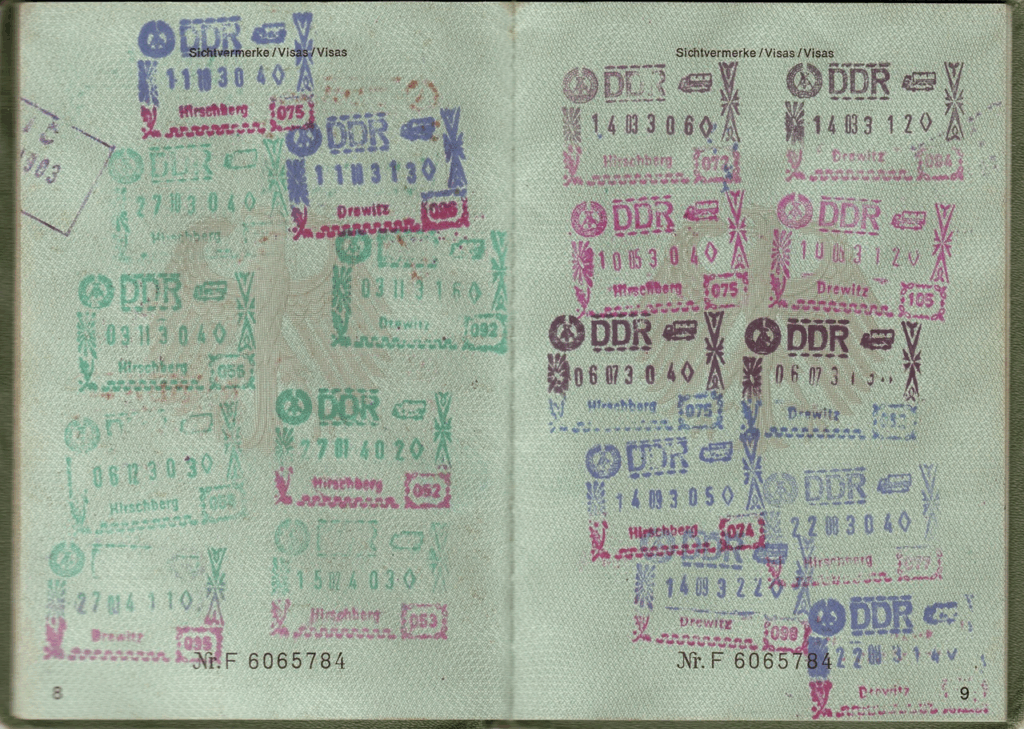
Visa-free travel ease allows Chinese teams to deploy quickly to monitor, audit, and manage field challenges. This transforms FDI from a series of discrete transactions to a fluid process of continuous management. The exemption reduces one of the main risk factors perceived by Chinese investors: uncertainty in the administrative management of foreign personnel. This streamlining is vital to maintain the execution of the $23 billion BRI package and prevent projects from stalling due to minor obstacles that require the rapid presence of high-ranking executives.
Furthermore, the exemption reinforces Chinese influence in strategic sectors. Chinese FDI aligns with China’s energy security and climate priorities. Given that Argentina is betting on a hybrid energy transition combining natural gas and renewable energies until 2030, the exemption ensures that Chinese executives and engineers can actively and promptly participate in the complex architecture of these long-term projects, consolidating Beijing’s presence in a high-priority sector.
The Geopolitics of Connectivity
The visa exemption strategy works synergistically with investment in connectivity infrastructure. Travel between Latin America and China historically presented challenges derived not only from visas but also from great distances. However, increased air connectivity, with new direct routes such as the one connecting Shenzhen with Mexico City, Shanghai with Buenos Aires via Auckland, and the optimization of routes via Madrid, has reduced the geographic barrier.
For all these reasons, the removal of bureaucratic barriers (visas) maximizes the impact of investment in air infrastructure, ensuring that the reduction of physical distance effectively translates into accelerated business flow.
Strategic Recommendations
Given that the exemption is temporary, defined as a pilot program until May 2026, its continuity will largely depend on the economic results perceived by Beijing, especially in business flow and the advancement of FDI projects during this period.
For the Argentine business sector, the strategic recommendation is clear: maximize the use of the 30 visa-free days. This implies an active strategy to conduct quality inspections, participate in business rounds, and develop a more constant physical presence in China. It is especially crucial for those companies seeking to sell products with higher added value or specialized services, using ease of access as a competitive advantage to differentiate themselves from global competitors who may still face migratory barriers.
The visa exemption is not only an economic policy but a clear manifestation of China’s soft power diplomacy and its positioning strategy vis-à-vis Latin America. The facilitation of people’s transit, in this context, is a decisive step to ensure that flows of goods and capital can move at the speed demanded by the current depth of the China-Argentina economic relationship.