
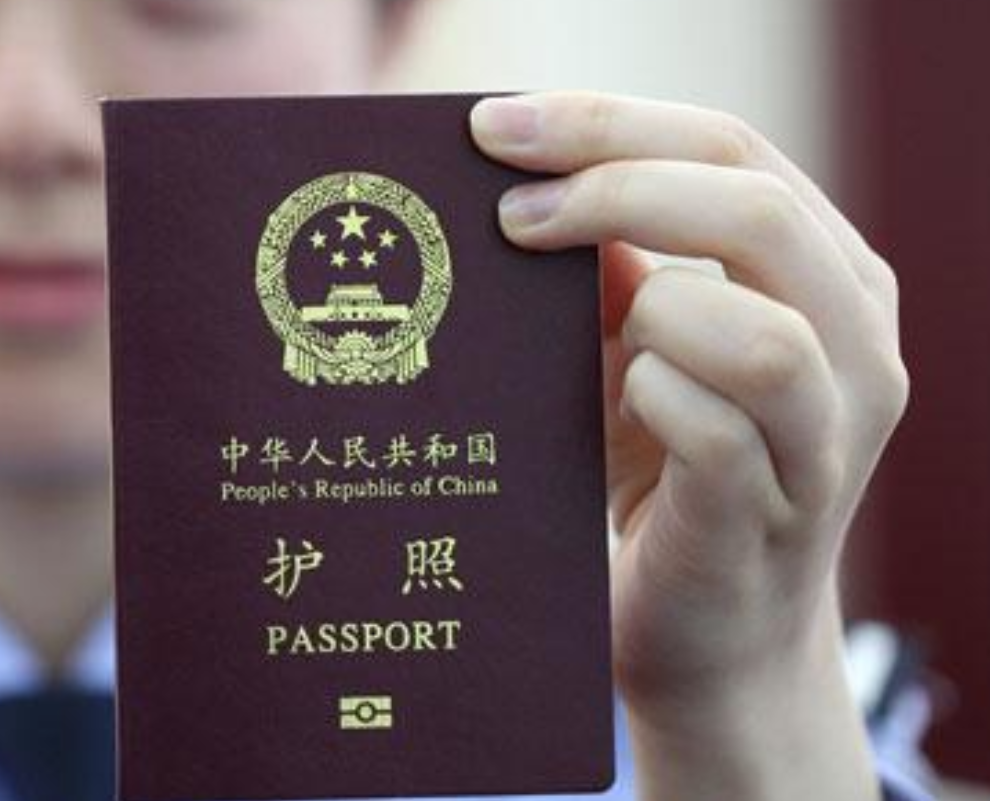
The administrative decision, which exempts Chinese travelers with B1/B2 visas from visa requirements, eliminates bureaucratic hurdles and consolidates Argentina as a low-risk, high-value destination for Asian capital.
The measure, implemented in reciprocity with Beijing, seeks to accelerate the flow of businesspeople and high-spending tourists, strengthening trade and ensuring the continuity of Foreign Direct Investment in sectors such as infrastructure, energy, and mining.
In a diplomatic maneuver with profound economic implications, the Argentine government has launched a policy of open immigration that leverages trust in the US immigration system as its main asset. Through Resolution 316/2025, Argentina has exempted citizens of China and the Dominican Republic from the need to obtain a consular visa or the cumbersome Electronic Travel Authorization (ETA), provided they hold a valid B1/B2 visa from the United States of America.
This decision, which took effect on July 22, 2025, is not merely an easing of immigration requirements; it is a strategic move designed to catalyze trade and investment with China, Argentina’s second-largest trading partner.
The mechanics of trust: less paperwork, more business
The success of this policy lies in a principle of “delegated trust.” The Argentine immigration resolution is explicitly based on the principle of reciprocity, following China’s unilateral elimination of the visa requirement for Argentinians until May 2026.
However, crucially, it relies on the security provided by the rigorous US visa selection process: “We trust the control mechanisms implemented by some countries… they constitute sufficient verification,” the resolution states.

This validation filter acts as a business accelerator for Argentina. The previous AVE (Advanced Travel Authorization) regime, while already an intermediate step for Chinese citizens, could delay processing for up to 20 business days, a significant obstacle for urgent business trips. The new exemption completely eliminates this bureaucratic friction, reducing processing times and costs.
For Chinese businesspeople or executives, the B1/B2 visa becomes a “high-trust passport” for Argentina, allowing trips of up to 30 days for tourism or business, with the possibility of an extension.
This agility is a decisive factor in supply chain management and rapid decision-making, boosting the participation of Chinese businesspeople in trade fairs and industry conferences in Argentina.
Impact on Investment and Trade Promotion
The exemption has a dual impact on the bilateral relationship, benefiting both tourism and capital flows:
1. Attracting High-Value Tourists and Businesspeople
The measure targets a traveler profile with above-average spending capacity. Chinese tourists are characterized by an average extended stay (15 nights) and average spending per stay exceeding $1,860 USD.
By facilitating entry for this demographic segment, Argentina positions itself to attract a flow of foreign currency for high-value services.
In the business sphere, this ease of access encourages the physical presence of executives from companies that have already invested or are considering doing so.
This is vital for managing large-scale projects. China is a key investor in strategic Argentine sectors such as infrastructure, energy, and mining. The smooth entry of Chinese managers, engineers, and due diligence teams is essential for monitoring and accelerating the execution of large projects linked to the Belt and Road Initiative (BRI).
2. Support for Argentina’s Export Strategy
The Argentine visa waiver complements the Chinese measure, reinforcing trade reciprocity. By facilitating the arrival of Chinese buyers and investors to Argentina, the government seeks to strengthen the position of national exporters. Argentine businesses, for whom China is already a key market, can use this flexibility as a negotiating tool, attracting their counterparts for direct meetings or on-site inspections. This helps consolidate strategic alliances and joint ventures in sectors where the Chinese government already facilitates processes for foreign capital.
A Decisive Step Towards Strategic Consolidation
The Argentine policy of visa waivers through the validation of the US B1/B2 visa is an example of diplomatic pragmatism.
At a time of growing trade dynamism between China and Argentina, the government has chosen a fast and low-risk route to eliminate the “bureaucratic tax” on high-value travelers.
This measure is not driven by high-spending tourism, but rather injects efficiency into the artery of the bilateral relationship, facilitating the movement of the human capital necessary to oversee, invest in, and expand projects in critical sectors. By reducing operational friction, Argentina ensures that its connection with Beijing translates into fluid and resilient economic activity, positioning the country as an agile and secure destination for China’s strategic capital.